
About Wildlife
Wildlife intrusions are a growing concern for homeowners across West Virginia, where animals such as raccoons, squirrels, bats, and skunks frequently seek shelter inside attics, crawl spaces, garages, and chimneys. Many wildlife species are surprisingly adaptable—raccoons can pry open weak vents and soffits, while bats can enter through gaps as small as 3/8 of an inch. Once inside, wildlife can reproduce quickly and create extensive damage by tearing insulation, chewing wiring, contaminating surfaces with droppings, and creating nesting areas. Beyond structural concerns, wildlife can also pose health risks through parasites and diseases such as rabies, histoplasmosis, and leptospirosis. Homeowners should promptly address warning signs like scratching noises, droppings, foul odors, damaged vents, or unusual pet behavior to prevent wildlife from becoming established indoors.
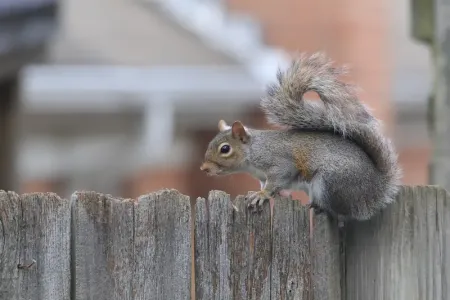
Types of Wildlife in West Virginia
- Raccoon (Procyon lotor)
- Eastern Gray Squirrel (Sciurus carolinensis)
- Big Brown Bat (Eptesicus fuscus)
- Virginia Opossum (Didelphis virginiana)
- Striped Skunk (Mephitis mephitis)
What makes wildlife different from other pests?
Wildlife invasions are common problems for homeowners in West Virginia, especially during colder months and breeding seasons when animals search for food, warmth, and shelter.
Wildlife animals are larger, stronger, and often more destructive than typical household pests. Unlike insects or rodents, animals such as raccoons and squirrels can physically tear through roofing materials, siding, vents, and insulation to gain access to homes. Bats and birds often enter through tiny openings in attics or chimneys, while skunks and opossums may burrow beneath decks, porches, or sheds. In West Virginia, wooded environments and seasonal weather changes increase the likelihood of wildlife encounters around residential properties.
How quickly can wildlife become a serious problem?
Wildlife issues can escalate rapidly once animals establish nesting or denning sites inside a home. Female raccoons typically give birth to 2–5 young each spring, while squirrels may produce up to two litters annually with several offspring each time. Bat colonies can grow significantly over time, with females returning year after year to the same roosting site. Once wildlife settles into attics, basements, or crawl spaces, the accumulation of droppings, nesting materials, and damage can quickly become costly for West Virginia homeowners.
Is wildlife actually dangerous or just a nuisance?
Wildlife can pose serious health and safety risks. Raccoons, bats, foxes, and skunks are among the primary carriers of rabies in the United States. Bat droppings may contain fungal spores linked to histoplasmosis, a potentially serious respiratory disease. Wildlife can also introduce fleas, ticks, mites, and other parasites into the home. Additionally, animals often damage insulation, ductwork, and electrical wiring, increasing the risk of fire hazards and costly repairs. For West Virginia homeowners, wildlife should always be handled carefully and professionally.
What makes wildlife different from other pests?
Wildlife animals are larger, stronger, and often more destructive than typical household pests. Unlike insects or rodents, animals such as raccoons and squirrels can physically tear through roofing materials, siding, vents, and insulation to gain access to homes. Bats and birds often enter through tiny openings in attics or chimneys, while skunks and opossums may burrow beneath decks, porches, or sheds. In West Virginia, wooded environments and seasonal weather changes increase the likelihood of wildlife encounters around residential properties.
How quickly can wildlife become a serious problem?
Wildlife issues can escalate rapidly once animals establish nesting or denning sites inside a home. Female raccoons typically give birth to 2–5 young each spring, while squirrels may produce up to two litters annually with several offspring each time. Bat colonies can grow significantly over time, with females returning year after year to the same roosting site. Once wildlife settles into attics, basements, or crawl spaces, the accumulation of droppings, nesting materials, and damage can quickly become costly for West Virginia homeowners.
Is wildlife actually dangerous or just a nuisance?
Wildlife can pose serious health and safety risks. Raccoons, bats, foxes, and skunks are among the primary carriers of rabies in the United States. Bat droppings may contain fungal spores linked to histoplasmosis, a potentially serious respiratory disease. Wildlife can also introduce fleas, ticks, mites, and other parasites into the home. Additionally, animals often damage insulation, ductwork, and electrical wiring, increasing the risk of fire hazards and costly repairs. For West Virginia homeowners, wildlife should always be handled carefully and professionally.
DIY vs Professional Wildlife Removal
Wildlife problems in West Virginia can be difficult and dangerous to handle without proper training, especially when animals are nesting inside attics, walls, chimneys, or crawl spaces.
Common DIY wildlife control methods include:
- Store-bought repellents with inconsistent results
- Homemade traps requiring constant monitoring and legal compliance
- Temporary repairs that fail to address hidden entry points
- Attempting animal removal without proper protective equipment
- Risks of bites, scratches, and disease exposure during handling
Professional wildlife removal advantages:
- Comprehensive property inspections identifying all access points
- Humane removal methods compliant with West Virginia regulations
- Safe cleanup and sanitation of contaminated areas
- Long-term exclusion solutions preventing future intrusions
- Expert handling of potentially dangerous animals
- Reduced risk of recurring infestations and structural damage
While DIY approaches may appear less expensive initially, professional wildlife services often provide safer, more reliable, and longer-lasting protection for West Virginia homes.