

H1 - Our Pest Control Blog
Lorem ipsum dolor sit amet, consectetur adipiscing elit. Nulla vestibulum lacus sed orci sollicitudin, nec bibendum nisi pellentesque. Aenean imperdiet dolor lacus, ac sagittis leo facilisis ac.
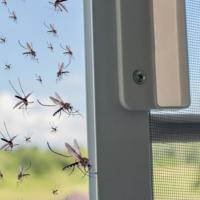
When mosquito season hits Virginia and West Virginia, it can feel like your backyard is under siege. These buzzing pests are more than just a nuisance—they can carry harmful diseases and make it hard to enjoy outdoor spaces.
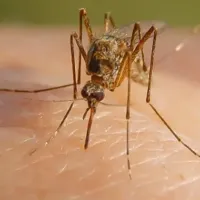
Mosquitoes are more than just an annoyance in West Virginia - they can pose serious health risks. These pesky insects are capable of transmitting diseases like West Nile virus and La Crosse encephalitis.
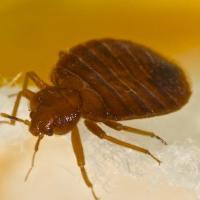
If you’re living in Virginia or West Virginia, where tourism, outdoor activities, and travel are a part of everyday life, it’s important to be vigilant. Here’s everything you need to know to identify bed bugs and understand the signs of an infestation.
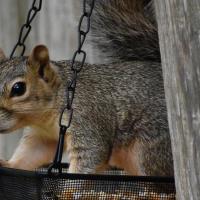
Wondering if squirrels are in your attic? Learn how to identify signs, understand what attracts them, and get safe removal tips from Petti Pest Control in Virginia and West Virginia.

Virginia is known for its lush greenery and natural landscapes, but with that comes a plethora of common pests that can invade your home. These pests can range from ants, centipedes, millipedes, spiders, pill bugs, stink bugs, silverfish, and more.
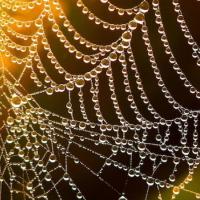
If you're a West Virginia resident, there's a good chance you've heard of brown recluse spiders. But what are they, really?
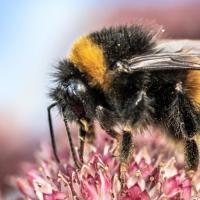
If bees are buzzing around your home or garden a little too much for comfort, you’re not alone. Many homeowners are searching for natural bee repellent options that are effective yet safe for the environment. Bees play a crucial role in pollination, so the goal is to deter—not harm—them.
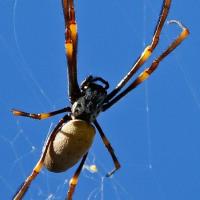
What are orb weaver spiders, and why are they so recognizable? They get their name from the circular, orb-shaped webs they spin to catch their prey. These spiders can be found in a variety of habitats, including woodlands, fields, gardens, and even near buildings.

If you live in West Virginia, you are no doubt familiar with the state's many stinging insects.
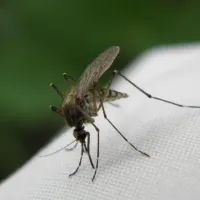
Yes, mosquitoes are attracted to light—but not in the same way moths or other insects are. While some mosquito species use light to navigate, they are much more drawn to body heat, carbon dioxide, and scent.
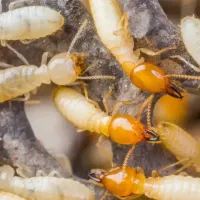
Many people assume that termites die off in the winter, but unfortunately, that’s not the case. While termites are less active in colder months, they don’t just disappear—they find ways to survive, often by burrowing deeper into the ground or seeking shelter inside warm homes.

Centipedes can be quite a common pest in Virginia homes. While they play a beneficial role in controlling other pests, their presence indoors can be unwelcome.

If you're like most people, the sight of an ant marching across your kitchen floor probably makes you do a double-take. And if you're unlucky enough to spot a line of ants streaming out of a crack in your wall, it's hard not to feel a little panicked.

If you're like most people, the sight of a spider sends shivers down your spine. And if you live in West Virginia, there's a good chance you've seen quite a few spiders around your home and property.

Rats, mice, and other rodents are a huge nuisance in the home. They leave droppings everywhere and chew through wires. These pests can be especially problematic in winter when they seek shelter from the cold weather outside.