
How Do I Know If I Have Bed Bugs?
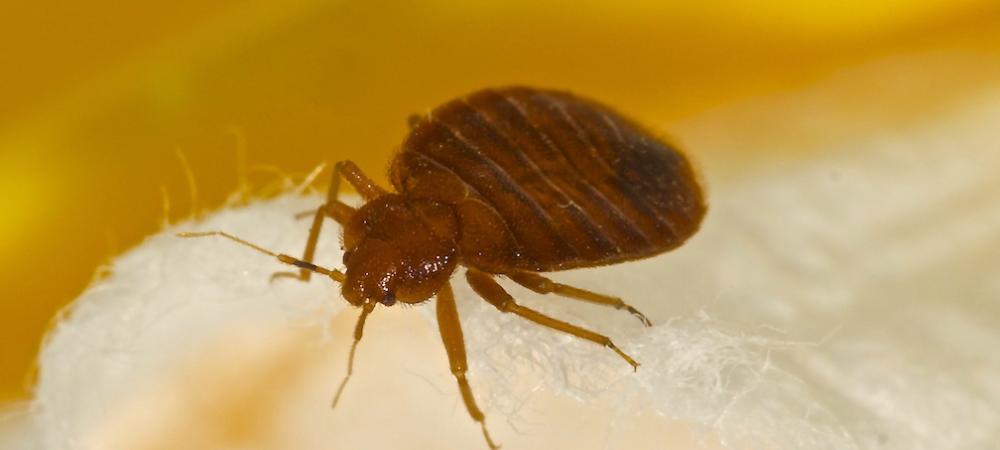
If you’ve recently noticed unusual bites, a faint musty odor, or tiny reddish-brown spots on your sheets, you may be dealing with an unwelcome guest: bed bugs. These tiny, elusive pests are known for their ability to hitch a ride into homes on luggage, furniture, and clothing. If you’re living in Virginia or West Virginia, where tourism, outdoor activities, and travel are a part of everyday life, it’s important to be vigilant. Here’s everything you need to know to identify bed bugs and understand the signs of an infestation.
Most Common Signs of Bed Bug Infestations
If you suspect a bed bug infestation in your home, it’s important to be able to identify the signs early to prevent the problem from spreading. Bed bugs are skilled at hiding and often come out at night, so detection can be tricky. Here are the most common signs that you may have a bed bug problem:
1. Bites and Welts on Your Skin
One of the most noticeable signs of a bed bug infestation is waking up with bites. These bites often appear in clusters or lines and are typically red, itchy, and swollen. The bites are most commonly found on exposed areas of skin, such as your arms, legs, neck, and face. In some people, the bites may not cause a noticeable reaction, while others may develop allergic reactions or infections from scratching.
2. Fecal Stains on Bedding and Furniture
Bed bugs excrete small, dark, rust-colored spots after feeding, which can be found on your sheets, mattresses, or furniture. These fecal stains are a clear indication that bed bugs are present and feeding regularly. If you spot these marks, it’s important to inspect the area closely for other signs of an infestation.
3. Blood Stains on Bedding or Furniture
Another common sign of bed bugs is small blood spots on your sheets, pillowcases, or furniture. These occur when the bed bug is crushed or when it leaves behind blood after feeding. If you notice blood stains, it's a strong indicator that bed bugs have been feeding on you while you sleep.
4. Musty Odor
In larger infestations, bed bugs can release a distinctive musty odor, often described as sweet or moldy. This smell comes from the scent glands of the bed bugs and is more noticeable when there are a significant number of them. If your bedroom or other living areas start to develop an unusual odor, it may be time to check for bed bugs.
5. Shed Skins and Eggs
As bed bugs mature, they shed their outer skins (exoskeletons) during each stage of development. These shed skins are often left in hidden areas such as the seams of mattresses, behind headboards, or along baseboards. Similarly, bed bug eggs are tiny and white, often found in clusters in cracks and crevices. Finding these skins or eggs can help you confirm an infestation.
6. Live Bed Bugs
Seeing live bed bugs is a clear sign of an infestation. Adult bed bugs are about the size of an apple seed and can be found in the cracks of furniture, the seams of mattresses, or behind baseboards. Nymphs (immature bed bugs) are smaller and lighter in color, but they still look similar to adult bed bugs. If you spot live bugs, it's crucial to take immediate action to address the problem.
7. Unexplained Scratching or Restlessness While Sleeping
Some people may begin to feel discomfort or experience restless nights due to the presence of bed bugs. Constant scratching, a feeling of irritation or anxiety during sleep, or waking up with a sense of "something isn't right" could be signs that you're being bitten by bed bugs while you sleep.
What to Do If You Think You Have Bed Bugs
If you suspect that you have bed bugs in your home, it’s important to act quickly and carefully. Bed bugs can multiply rapidly, and the longer you wait, the more difficult and costly the removal process can become. Here are the steps you should take if you think you have bed bugs:
1. Confirm the Infestation
First, try to confirm whether you truly have bed bugs. Look for signs such as bites on your skin, bloodstains or dark spots on your bedding, shed skins, or even live bed bugs in cracks and crevices around your home. Thoroughly inspect areas like mattresses, box springs, upholstered furniture, and baseboards—bed bugs often hide in small, dark places during the day.
2. Clean and Isolate Affected Areas
If you confirm that you have bed bugs, start by isolating the affected areas. Remove all bedding, clothing, and personal items, and wash them in hot water to kill any bed bugs and eggs. Use a dryer on high heat to dry the items completely. Vacuum the floors, furniture, and baseboards thoroughly to remove visible bed bugs and eggs. Be sure to dispose of the vacuum bag or empty the vacuum canister in a sealed plastic bag to prevent any bugs from escaping.
While cleaning can help reduce the number of bed bugs, it is unlikely to completely eliminate the infestation. Professional intervention is often necessary for complete removal.
3. Avoid Spreading the Infestation
It’s important not to move items from the infested areas to other parts of your home, as this could spread the bed bugs to other rooms. Avoid sitting or lying on furniture that has been infested, as this can lead to bed bugs spreading on your clothes or body.
4. Contact a Professional Pest Control Company
Bed bug infestations are difficult to manage on your own, and DIY treatments are often ineffective. Bed bugs are resilient pests that require a professional, targeted approach to ensure their complete removal.
Why You Need Professional Bed Bug Treatments:
- Expert Detection: Pest control professionals have the experience and tools to conduct a thorough inspection of your home and identify all possible hiding spots. Bed bugs can be difficult to locate without the right knowledge, and professionals can ensure that no areas are missed.
- Targeted Treatment: Effective bed bug removal requires specialized treatments that go beyond just spraying chemicals. Professional pest control companies use integrated pest management (IPM) techniques, including heat treatments, steam, and insecticides, to target the infestation at every stage of the bed bug life cycle.
- Safe and Effective Solutions: Many over-the-counter products can be ineffective or even harmful if not used correctly. Pest control experts use safe, tested, and proven methods to remove bed bugs from your home while minimizing risks to your family and pets.
- Prevention of Future Infestations: A professional pest control service doesn’t just eliminate the current infestation; they also provide advice and recommendations on how to prevent bed bugs from returning. This may include sealing cracks and crevices, monitoring your home for signs of future infestations, and taking proactive measures during travel.
- Peace of Mind: Bed bugs can cause a lot of stress and discomfort, and knowing that professionals are handling the situation gives you peace of mind. Pest control specialists are trained to deal with these pests efficiently and discreetly, restoring your home to a safe, comfortable place.
If you suspect that your home in Virginia or West Virginia has a bed bug problem, don't wait to take action. Contact your local pest control company today to schedule an inspection and take the first step toward getting rid of bed bugs for good.