
What’s Making Noise in Your Attic? Winter Wildlife in Winchester Homes
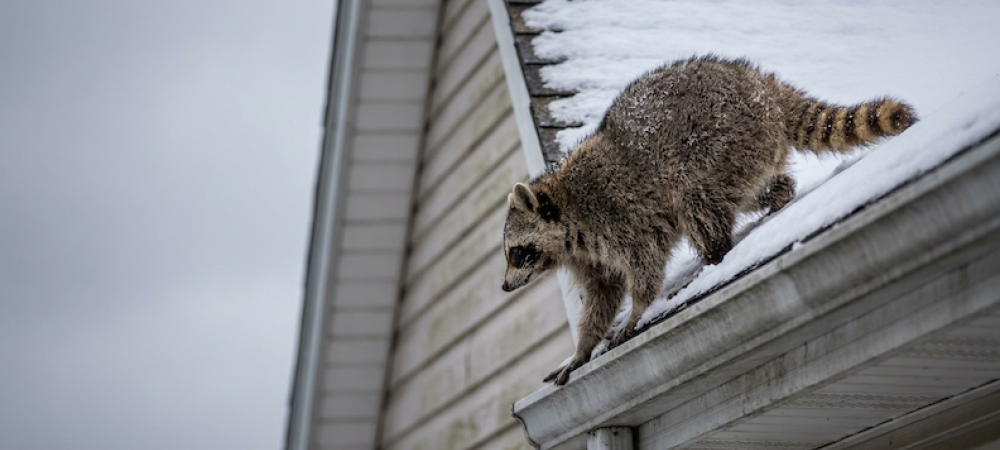
Scratching, scampering, or thumping overhead in a Winchester home this time of year usually means one of four animals: flying squirrels, gray squirrels, raccoons, or mice. The time of day you hear the noise is the fastest way to narrow it down. In Virginia, the right fix is sealing the animals out, not trapping and relocating them, which state law does not allow.
Below is why wildlife moves into Winchester attics in winter, how to tell who is up there by sound and timing, and what removal and exclusion actually involve.
Wildlife moves into Winchester attics in winter because an attic offers what a tree cavity or brush pile offers, only warmer and drier. Insulation makes good nesting material, and a single loose vent or gap at the roofline is enough of an invitation.
Timing matters for each species. The Virginia Department of Wildlife Resources lists November as the peak activity period for southern flying squirrels, which are strongly nocturnal and do best in hardwood forest with plenty of nuts. Raccoons slow down in cold weather, but the same agency notes that raccoons may go dormant in winter dens without truly hibernating, and they breed from January through March. Raccoon litters are born in dens in April or May, so an attic that shelters a raccoon in January can hold a family by spring.
The time of day you hear activity is the most reliable clue to which animal is in your attic. Use the table below as a starting point, then confirm with the physical signs in the next section.
| Likely Animal | When You Hear It | What It Sounds Like | Other Clues |
|---|---|---|---|
| Flying squirrels | After dark and through the night | Light, quick scampering, rolling or tapping sounds, soft chirps | The most common attic invader in Virginia, according to Virginia DWR. Small entry holes near the roofline. |
| Gray squirrels | Early morning and late afternoon | Heavier running and scratching, often in bursts | Chewed fascia boards, soffits, or vent covers. Activity stops at night. |
| Raccoons | Mostly at night | Heavy thumping or walking, chittering or growling | Torn vents, bent flashing, displaced shingles, or a damaged chimney cap. |
| Mice | At night, often inside walls or ceilings | Faint, constant scratching and scurrying | Droppings and chewed packaging indoors. See our Winchester rodent control service. |
Sound alone can mislead, because a single raccoon can sound like several squirrels and attic acoustics carry. A professional inspection confirms the animal and the entry point before anything gets sealed.
Wildlife in an attic usually leaves physical evidence on the outside of the house before it shows up indoors. Look for these signs from the yard and, if it is safe, inside the attic:
- Openings at the roofline, including chewed or rounded holes in soffits, fascia, gable vents, or roof vents
- Torn or bent vent covers, lifted shingles, or a damaged chimney cap
- Flattened, tunneled, or scattered insulation in the attic
- Droppings, nesting debris, or stored nuts near the attic edges
- Stains or odors on ceilings below the attic
- Overhanging tree limbs touching or close to the roof, which act as a bridge for squirrels and raccoons
Myth: A raccoon out in the daytime must have rabies.
Reality: The Virginia Department of Wildlife Resources says daytime sightings alone are not a sign of rabies. Raccoons often roam suburbs by day when food or an easy den site draws them in. Watch instead for stumbling, foaming at the mouth, or aggression, and contact your local health department if you see them.
No. Virginia does not allow trapping a nuisance animal and releasing it somewhere else. The Virginia Department of Wildlife Resources states that trapping and relocating an animal to another area is illegal in Virginia.
The agency also explains that nuisance wildlife trapped by homeowners or licensed trappers must be euthanized rather than relocated. Its reasons include low survival among relocated animals, the chance they become someone else’s problem, and the risk of spreading diseases like rabies and distemper. Local ordinances can be stricter than state law, too, so DWR advises contacting your county or city Commonwealth’s Attorney’s office about legal removal methods.
For most Winchester homeowners, this makes exclusion the practical answer: get the animals out, then make sure they cannot get back in.
Wildlife exclusion means finding every way an animal gets into your home and closing it once the animals are out. Done in the right order, exclusion solves the problem instead of pausing it. Our wildlife removal service in Winchester can take this on for you. The core steps follow guidance from Virginia DWR:
- Find every entry point. One obvious hole often has a second, smaller one nearby along the same roofline.
- Confirm the animals are out. Virginia DWR stresses making sure no young are left behind before a hole is plugged. Sealing too early traps animals inside, where they cause more damage or die in the walls.
- Seal with chew-resistant material. DWR recommends wire mesh or metal sheeting for squirrel entry points, since squirrels chew through softer patches.
- Remove the bridge. Trimming overhanging limbs and branches cuts off the easiest route to the roof.
- Remove the reasons to come back. Secure trash, bring pet food inside, take down bird feeders where problem animals are visiting, and clear fallen fruit from around trees.
Winter is a good window for this work. Getting raccoons and squirrels out before late-winter breeding season means fewer animals to deal with and no young sealed inside the attic. If mice turned up during fall harvest, see where mice get in after harvest, and for the rest of the season, our Winchester winter pest calendar covers what else is active.
Flying squirrels are the most common attic invaders in Virginia, according to the Virginia Department of Wildlife Resources. Gray squirrels, raccoons, and mice also move into Winchester attics, and the time of day you hear the noise is the best clue to which one you have.
No. The Virginia Department of Wildlife Resources states that it is illegal in Virginia to trap and relocate an animal to another area. Nuisance wildlife trapped by homeowners or licensed trappers must be euthanized rather than relocated, which is why sealing animals out is the better long-term fix.
No. The Virginia Department of Wildlife Resources notes that daytime activity alone is not a sign of rabies, especially during breeding season. Warning signs include stumbling, foaming at the mouth, or aggression. Contact your local health department if you see those behaviors.
As soon as you notice it, and ideally before late winter. Raccoons breed from January to March and give birth in dens in April or May, so an attic left open through winter can turn into a nursery by spring.
Sometimes. The Virginia Department of Wildlife Resources suggests a radio with talk or loud music may encourage squirrels to leave. The entry point still has to be sealed once they are gone, or the same squirrels or new ones will move back in.
Hearing something overhead, or not sure what got into your attic? Call Petti Pest Control at 540-667-9997 and we will help you figure out the right next step.
- Virginia Department of Wildlife Resources: Problems with Squirrels
- Virginia Department of Wildlife Resources: Problems with Raccoons
- Virginia Department of Wildlife Resources: Wildlife Among Us
- Virginia Department of Wildlife Resources: Raccoon Species Profile
- Virginia Department of Wildlife Resources: Southern Flying Squirrel Species Profile