

Rodent Control in Brucetown, VA
Rodents don't quit on their own. Mice and rats find a way in, and once they do, the problem compounds fast — chewed wires, damaged insulation, nesting in the crawlspace, activity in the barn or the shop. You can set traps and patch what you can see, but without a real inspection and a plan, you're usually just staying ahead of it rather than solving it.
That's where our rodent exterminators in Brucetown come in. Petti Pest Control does a full inspection of your property — finding entry points, identifying what's drawing rodents in, and building a treatment plan around what your property actually needs. For recurring activity, we offer seasonal services that keep pressure on rodent populations before they reestablish. No upsells, no contracts you don't need — just a straightforward fix from a local team that knows how to get it done.
Here's what's included with rodent control in Brucetown:
- Full property and structure inspection
- Rodent identification
- Customized treatment plan
- Entry point sealing and exclusion work
- Bait station placement and monitoring
- Seasonal and recurring service options
- Free re-treatments with satisfaction guarantee
- Contract-free options

Additional Services in Brucetown
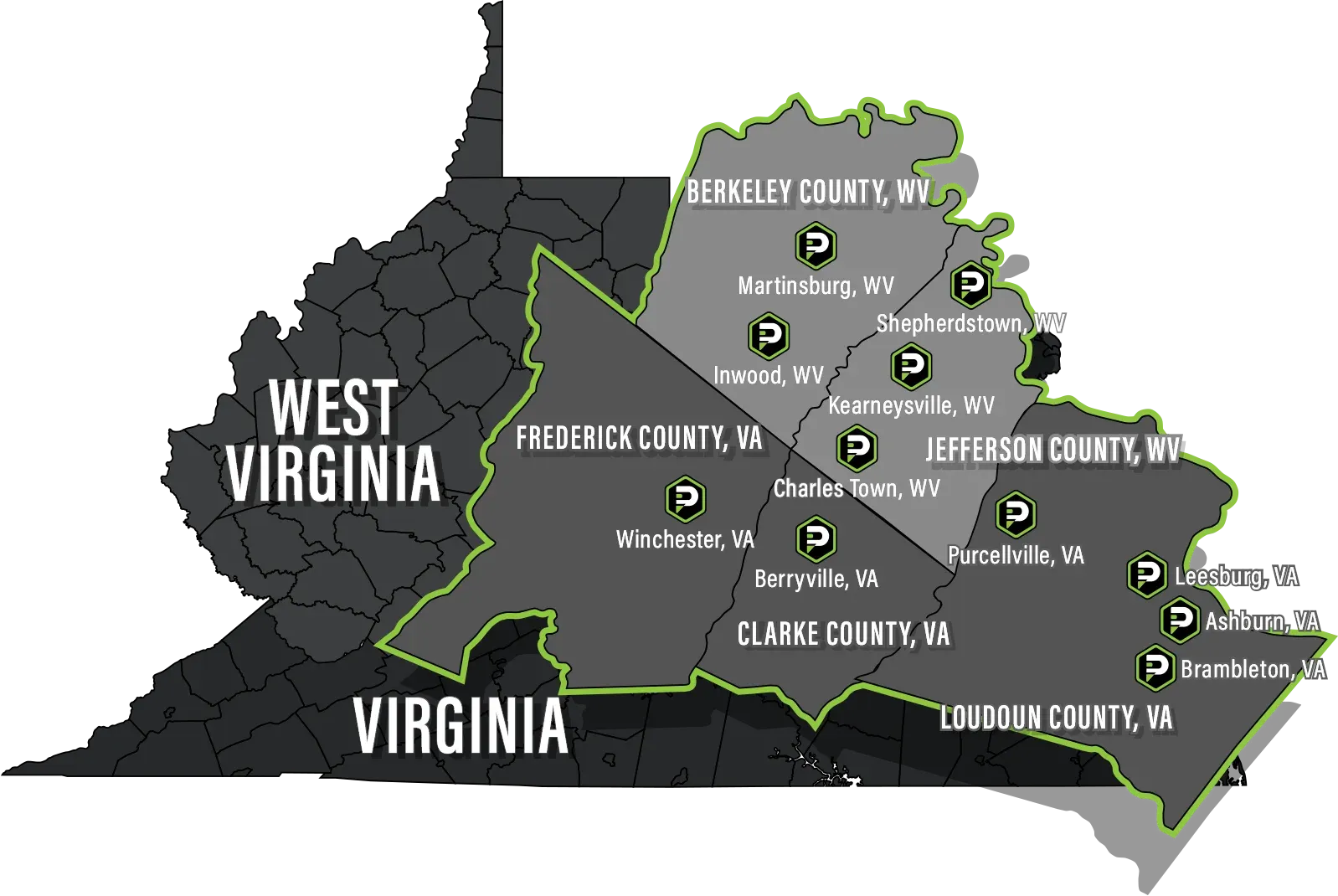
When Rodents Get Into the Barn, the Crawlspace, or the House Itself
Rodent control in Brucetown isn't complicated to understand — mice and rats find a way in, they stay, and the longer they're left alone, the harder they are to remove. Whether it's the garage, the shop, an outbuilding, or the main house, Petti Pest Control finds where they're getting in, stops them, and makes sure it holds.
Here's how Petti handles it:
- A thorough inspection of the structure, entry points, and any areas rodents are likely using for shelter or food
- A treatment plan built around your specific property — not a one-size-fits-all approach
- Sealing and repairs to close off the entry points and harborage areas driving the problem
- No contracts you don't need — contract-free options are available
- Free re-treatments if the problem comes back, because the work should stand behind itself
Why Valley Homeowners Trust Petti Pest Control for Rodent Control
Petti Pest Control is a family-owned, locally rooted operation — founded by people who live out here and know what properties in the Shenandoah Valley deal with. Honest pricing, fast response, and no upsells you don't need. Word travels fast in the Clarke County and Frederick County areas, and Petti has built its name one honest job at a time.

We Stand Behind Every Rodent Job We Do
Petti Pest Control is a family-owned company, and that means we actually care whether the job gets done right — not just whether it gets done.
You deserve results that last, so every rodent control service we provide comes backed by a satisfaction guarantee. If the problem persists, we come back at no extra cost. No questions, no runaround, no haggling over what's covered.
That's not fine print — that's just how Petti Pest Control operates.
Signs You Have a Rodent Problem on Your Property
Rodents are good at staying out of sight. By the time you spot one in the barn, the crawlspace, or the shop, there's a solid chance others have already settled in. Knowing what to look for early makes a real difference in how far a problem gets before it's dealt with.
Common signs of a rodent infestation in West Virginia homes and properties:
- Droppings along walls, in cabinets, or near food storage areas
- Gnaw marks on wood framing, wiring, pipes, or stored goods
- Greasy rub marks along baseboards or entry points where rodents travel repeatedly
- Nesting materials like shredded insulation, paper, or fabric tucked into corners or wall voids
- Scratching or scurrying sounds inside walls or ceilings, especially at night
- Burrow holes near foundations, outbuildings, or along fence lines
- A strong, musky odor in enclosed spaces like crawlspaces or storage areas
- Pet behavior changes, like dogs or cats fixating on walls or certain spots on the floor
These signs don't always show up all at once, and some are easier to miss than others. If even a couple of these look familiar, the problem is worth taking seriously. The longer rodents have access to a structure, the more ground they cover and the harder they are to fully clear out. Petti Pest Control inspects the full picture, from the main house to the outbuildings, so nothing gets overlooked. When Petti sends a technician out, you're getting someone who knows what to look for and won't leave until they've found it.
Frequently Asked Questions
Do you guarantee your rodent control treatments?
Yes. We back our rodent control service with guaranteed satisfaction and free re-treatments if rodent activity continues after your service.
How do I know if I have a rodent problem?
Common signs include droppings along walls or in cabinets, gnaw marks on food packaging or structural materials, scratching or scurrying sounds inside walls or ceilings at night, nesting materials like shredded paper or fabric in hidden corners, and greasy rub marks along baseboards where rodents repeatedly travel.
What diseases can rodents spread in my home?
Rodents are known carriers of several serious illnesses. Mice and rats can expose your family to Hantavirus, Salmonella, Rat Bite Fever, Typhus, and, in rare cases, Bubonic Plague.
What does your rodent control service include?
Our rodent control starts with a thorough inspection of your home to identify where rodents are hiding, what type of rodents you're dealing with, and what's attracting them in the first place. From there, we build a customized treatment plan based on your property's specific needs.
What time of year is worst for rodents in the Valley?
Fall is the peak entry season — as temperatures drop, rodents start looking for warmth, and they're very good at finding it. Properties with outbuildings and crawlspaces tend to see rodent activity earlier in the season than more tightly sealed newer construction.
What's attracting rodents to my property?
On rural properties the most common attractants are feed storage, compost, wood piles near the foundation, and the warmth of outbuildings and crawlspaces as temperatures drop.