
Do New Construction Homes Need Termite Pretreatment?
In This Guide
- Do New Construction Homes Need Termite Pretreatment?
- Why Berkeley County's Growth Incre ases Termite Pressure on New Builds
- What Termite Pretreatment Actually Is
- When Pretreatment Happens During Construction
- What Happens If a New Home Skips Pretreatment
- What Termite Pretreatment Costs for a New Build
- FAQ
Do New Construction Homes Need Termite Pretreatment?
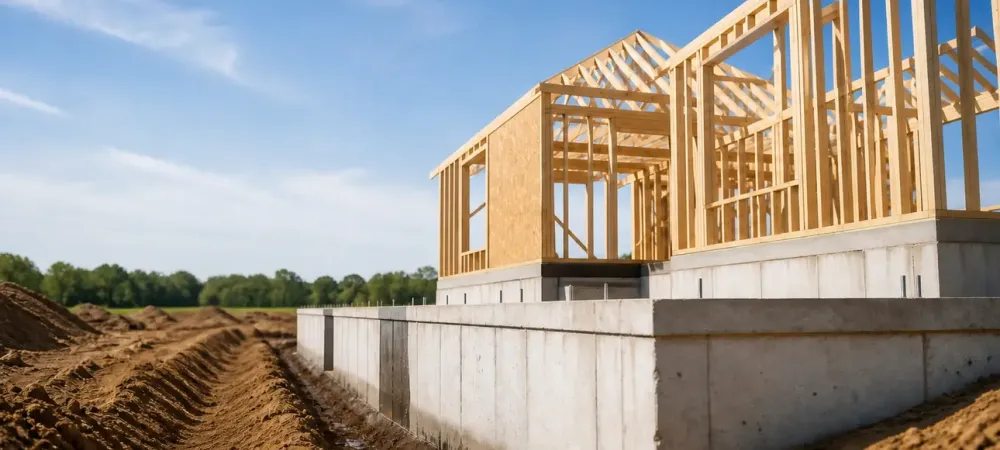
Yes. A new construction home needs termite pretreatment because the building process creates the exact conditions subterranean termites look for: disturbed soil, exposed lumber, and a foundation going in long before anyone lives there to notice a problem.
Many new homeowners assume a brand-new house carries no termite risk simply because nothing is old or damaged yet. That assumption runs backwards. Subterranean termites live underground and travel toward the nearest wood source, whether that's framing lumber staged on a job site or a wood-to-soil contact point in a finished foundation.
Petti Pest Control recommends scheduling termite pretreatment before the slab pours, not after move-in, since that's the only point in the build where the soil beneath the house is fully accessible.
Why Berkeley County's Growth Increases Termite Pressure on New Builds
Berkeley County's rapid population growth means more grading, more disturbed soil, and more termite colonies displaced into new subdivisions each building season. The county grew from 122,073 residents in 2020 to an estimated 139,522 by 2025, according to e-WV: The West Virginia Encyclopedia, with much of that growth landing in new construction around Martinsburg, Inwood, and Falling Waters.
Clearing wooded or farmland lots doesn't eliminate the termite colonies already living in that soil. Those colonies move toward the nearest available wood source instead, which on a growing street is often the new home going up on the cleared lot next door.
What Termite Pretreatment Actually Is
Termite pretreatment is a liquid termiticide application that builds a chemical barrier between the soil and the structure before termites can reach the wood. West Virginia regulates exactly how this has to be done under its own Wood Destroying Insect Treatment Standards, administered by the West Virginia Department of Agriculture, which set the pretreatment standards pest control companies must follow for new construction in the state.
- Horizontal barrier: applied to the soil after form boards and rebar are in place, but before the slab is poured.
- Vertical barrier: applied around the exterior foundation after final grading is complete.
Both barriers have to stay intact to work. If later digging for utility lines or landscaping disturbs the treated soil, gaps can open in the barrier before the home is even occupied.
When Pretreatment Happens During Construction
Termite pretreatment happens in two separate visits tied to specific construction milestones, not in a single appointment at the end of the build.
- Before the slab pours: the horizontal barrier goes down once forming and rebar work is complete.
- After final grading: the vertical perimeter barrier goes down once landscaping grade is set, closing the seal around the foundation.
Missing either step leaves a gap in coverage. A horizontal barrier without the follow-up perimeter treatment, for example, leaves the exterior foundation walls exposed to termites approaching from the yard.
What Happens If a New Home Skips Termite Pretreatment
A new home without termite pretreatment looks and performs exactly like a treated one for months or even years, right up until termites find their way in. There's no visible warning sign during that window, which is what makes skipping pretreatment specifically risky on a new build.
Termite damage is typically excluded from standard homeowners insurance, since insurers classify it as a preventable maintenance issue rather than a sudden event. That means structural repair costs usually come directly out of pocket, on top of whatever the pretreatment would have cost upfront.
What Termite Pretreatment Costs for a New Build
Termite pretreatment cost depends on the size of the foundation footprint, the soil conditions on the lot, and whether the build uses a liquid termiticide barrier or a bait station system. Petti Pest Control provides a specific quote once we know a build's square footage and site conditions, since a flat, one-size price doesn't hold up across the different lot types found around Berkeley County. As of 2026, the best way to get an accurate number is a quick call before the foundation work starts.
Frequently Asked Questions
Does treated lumber alone protect a new home from termites?
No. Pressure-treated lumber only protects the specific pieces of wood it's applied to, not the rest of the structure. The International Residential Code lists pressure-treated wood as one acceptable termite protection method, but it still needs to be paired with a soil treatment, bait system, or physical barrier to protect untreated framing and subflooring.
Is termite pretreatment required by code for new construction in West Virginia?
Yes. West Virginia's Wood Destroying Insect Treatment Standards, administered by the West Virginia Department of Agriculture, set specific pretreatment requirements for new construction statewide, including in Berkeley County.
How long does a termite pretreatment barrier last?
It depends on the termiticide product used and how much the treated soil gets disturbed afterward, so labeled duration varies by product. Petti Pest Control can confirm the specific product's expected lifespan during a build consultation rather than a general estimate.
Can termite pretreatment still happen after a home is already built?
Yes, but it's a more limited process than a preconstruction pretreatment. Post-construction treatments have to work around an existing foundation and finished landscaping instead of bare soil, which is why builders and pest control companies recommend pretreating before the slab goes down whenever that option is available.
Building New in Berkeley County?
Get termite pretreatment scheduled before the slab pours, or ask us about protecting a home that's already built.
Call 304-263-9997